Massachusetts Body of LibertiesWith this legislation, passed in 1641, Massachusetts became the first state to legalize slavery. Under Section 91, the Massachusetts Body of Liberties states, "There shall never be any bond slavery, villeinage, or captivity amongst us unless it be lawful captives taken in just wars, and such strangers as willingly sell themselves or are sold to us. And these shall have all the liberties and Christian usages which the law of God established in Israel concerning such persons cloth morally require. This exempts none from servitude who shall be judged thereto by authority" (1).
|
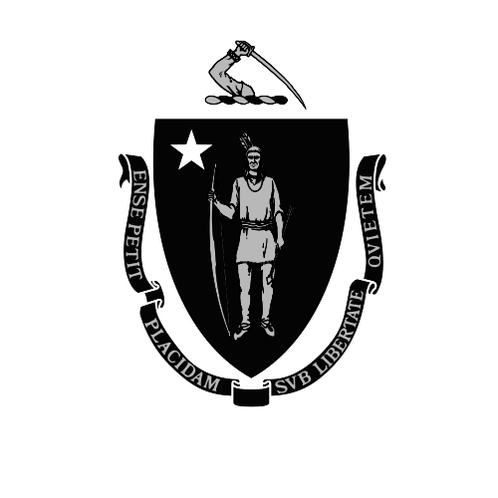
Massachusetts Coat of Arms by xrmap used under Public Domain.
|
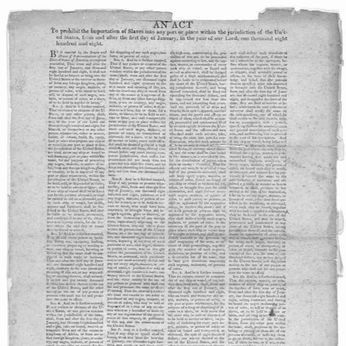
Image courtesy of Library of Congress, Rare Book and Special Collections Division, Printed Ephemera Collection.
|
Act Prohibiting the Importation of SlavesThe Act Prohibiting the Importation of Slavery was passed in 1807 to stop the flow of slaves into the United States. The act was not strictly enforced, as there is documentation of slave importation in later years. However, the flow of slaves into America was severely diminished. It is important to note that this law only banned the importation of slaves, not slavery itself (2).
|
North Carolinian Law Prohibiting the Education of SlavesThe North Carolinian Law Prohibiting the Education of Slaves was passed in 1831 to prevent the education of slaves with the reasoning that it "has a tendency to excite dis-satisfaction in their minds, and to produce insurrection and rebellion, to the manifest injury of the citizens of this State" (3).
|
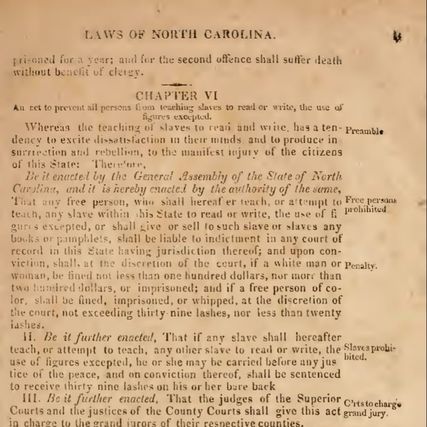
Laws of North Carolina (1830-1831) by the State of Massachusetts used under Public Domain.
|
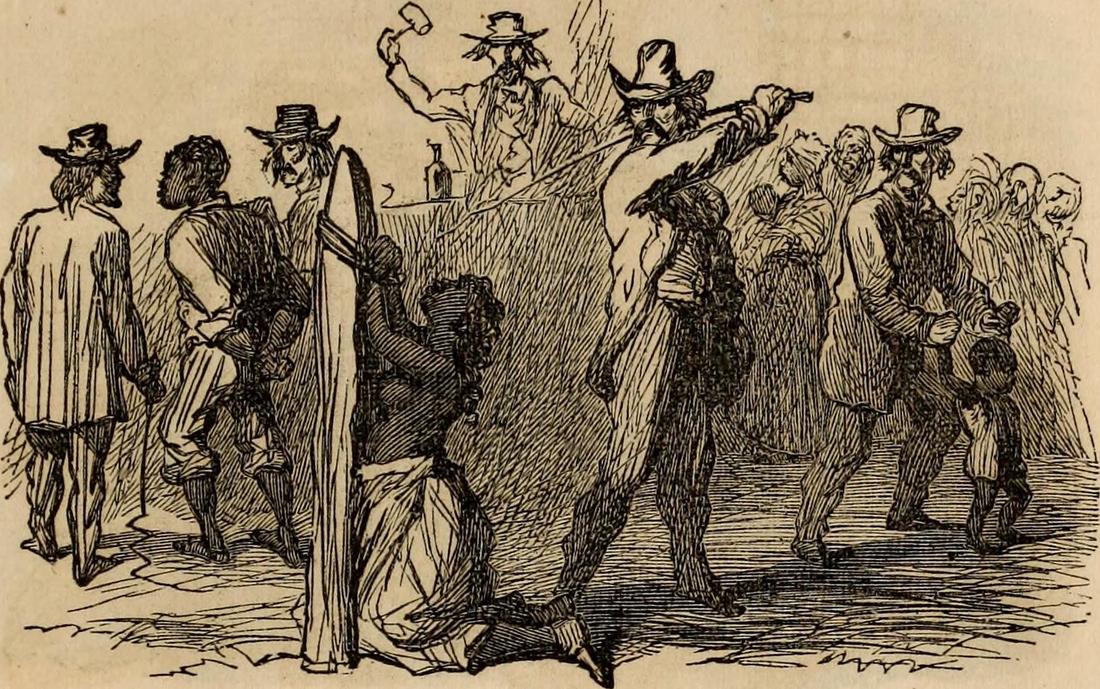
The Gospel of Slavery by Abel Thomas used under Public Domain.
|
The Code of VirginiaThe Code of Virginia, 1849, prevented the assembly of slaves for religious or educational purposes (4). The laws within The Code of Virginia were reactionary to fears of slave rebellions—that is, the state of Virginia sought to suppress access to education in order to reduce the probability of slave uprisings.
|
The Emancipation ProclamationWhen passed in 1863, the Emancipation Proclamation served to free "all persons held as slaves" within the rebellious states (5). Due to the specific wording of the Proclamation, it is important to note that this only freed those in the states that had seceded, leaving the border states untouched.
|
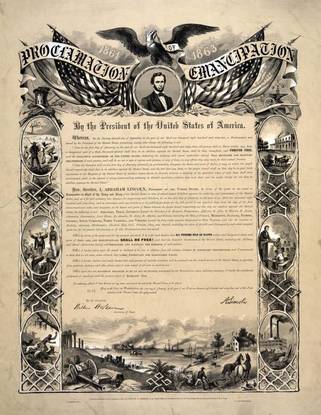
The Emancipation Proclamtion engraving by W. Roberts used under Public Domain
|
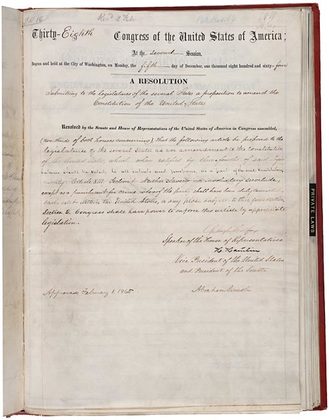
The 13th Amendment by the US Government used under Public Domain.
|
The Thirteenth AmendmentThe entire institution of slavery was formally abolished in the United States with the passing of the 13th Amendment in 1865 (6).
|
